
8 Fascinating Facts About the Human Brain
The human brain is one of the most complex and powerful organs in the universe. It controls everything we do, including thinking, breathing, movement, emotions, and memory. Scientists have been studying the brain for centuries, yet many mysteries about how it works remain unsolved. Understanding the brain helps researchers develop treatments for diseases and improve human health. In this article, we explore eight fascinating facts about the human brain that reveal how incredible this organ truly is.
1. The Brain Contains Billions of Neurons
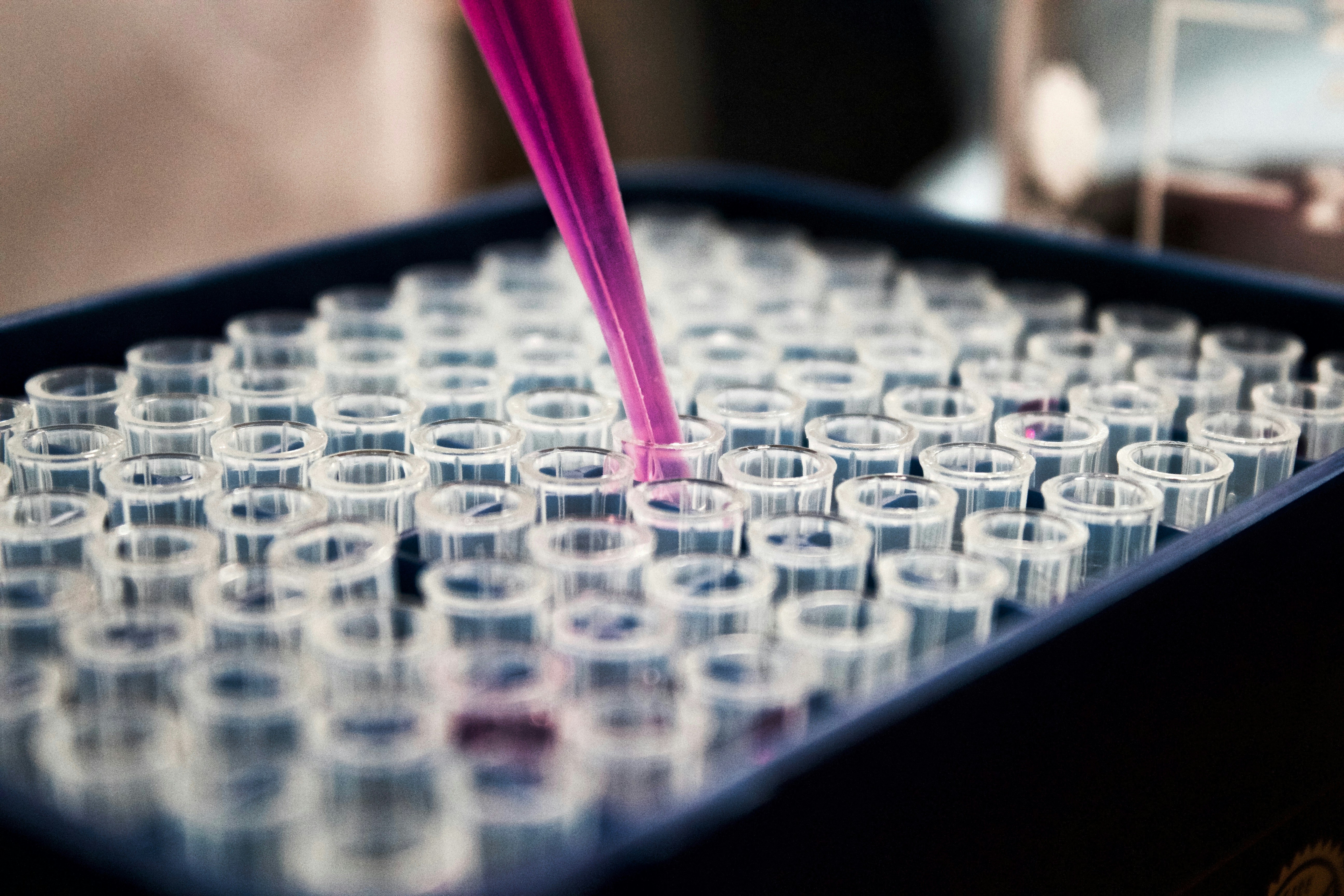
The human brain contains approximately 86 billion neurons. These specialized cells communicate with each other through electrical and chemical signals. Neurons form complex networks that allow the brain to process information, store memories, and control the body’s movements.
2. The Brain Uses a Lot of Energy
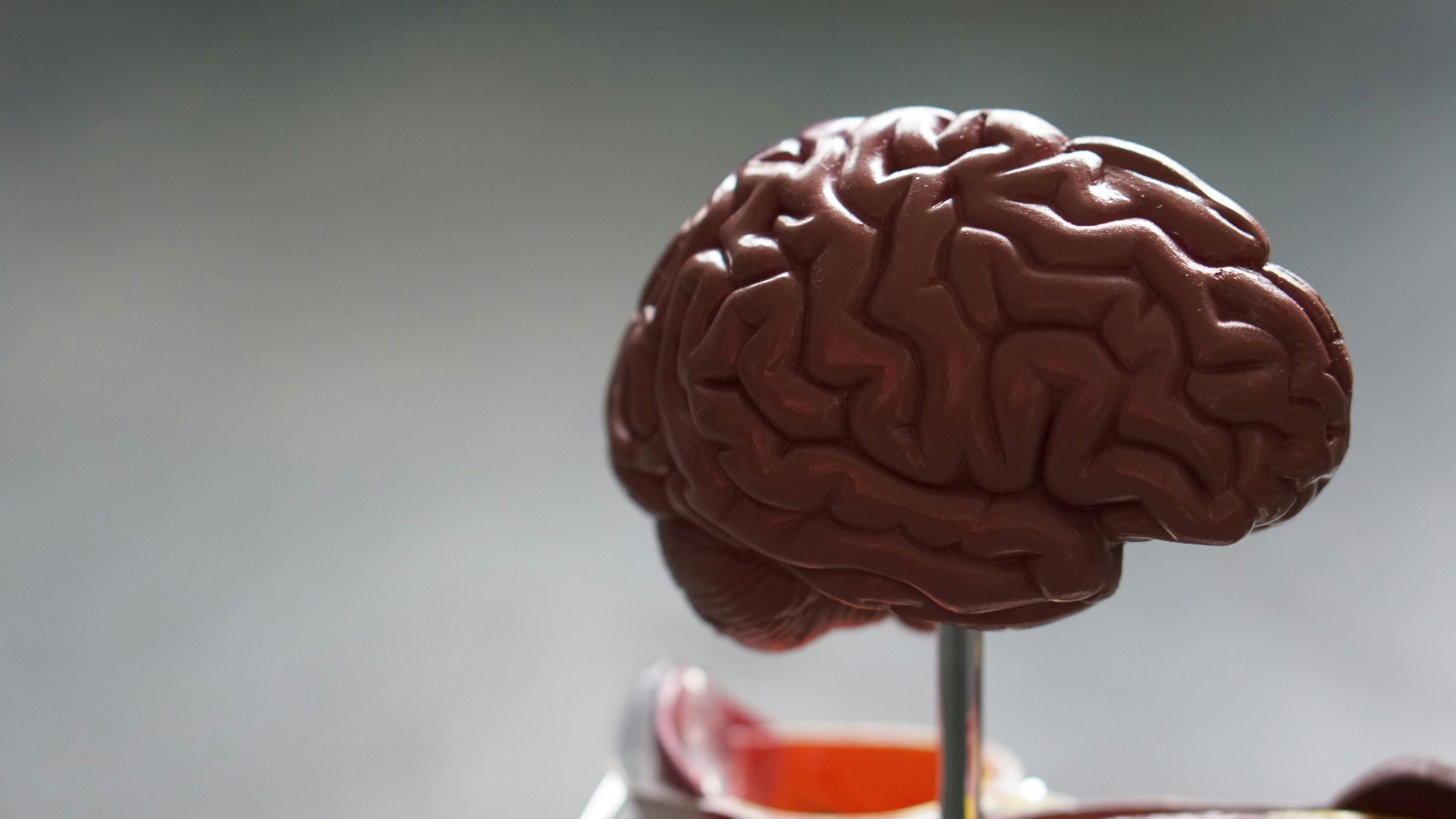
Although the brain represents only about 2 percent of the body's total weight, it uses around 20 percent of the body's energy. This high energy consumption allows the brain to perform complex tasks such as thinking, problem-solving, and decision-making.
3. The Brain Is Mostly Water
The human brain is made up of about 75 percent water. Proper hydration is essential for maintaining good brain function. Even mild dehydration can affect concentration, memory, and mood.
4. The Brain Can Generate Electricity

Neurons communicate with each other using electrical impulses. These signals travel through neural pathways and allow different parts of the brain to coordinate actions and process information.
5. The Brain Changes Throughout Life

The brain has an amazing ability called neuroplasticity. This means it can reorganize itself by forming new neural connections throughout life. Learning new skills, studying, and practicing activities can strengthen these connections.
6. Dreams Occur During REM Sleep

Dreaming occurs mainly during the rapid eye movement (REM) stage of sleep. During this phase the brain becomes highly active while the body remains relaxed.
7. The Brain Does Not Feel Pain

Interestingly the brain itself does not have pain receptors. This means the brain cannot feel pain directly. Headaches are usually caused by surrounding nerves and blood vessels rather than the brain tissue itself.
8. The Brain Continues Developing Into Adulthood

The human brain continues developing until around the mid-twenties. The prefrontal cortex, which controls decision making and self-control, is one of the last parts of the brain to fully mature.
Conclusion
The human brain is an incredible organ responsible for everything we think, feel, and do. Scientists continue to study the brain to better understand how it works and how to treat neurological disorders.